Blog

All Porsche News Porsche Palm Springs Rancho Mirage Porsche Dealer Porsche Palm Springs News Rancho Mirage Porsche Service OEM Accessories Palm Springs Events Porsche of Rancho Mirage Events Porsche of Rancho Mirage Service Porsche Panamera
5

A Peek at Porsche's Four Top-Selling Vehicles

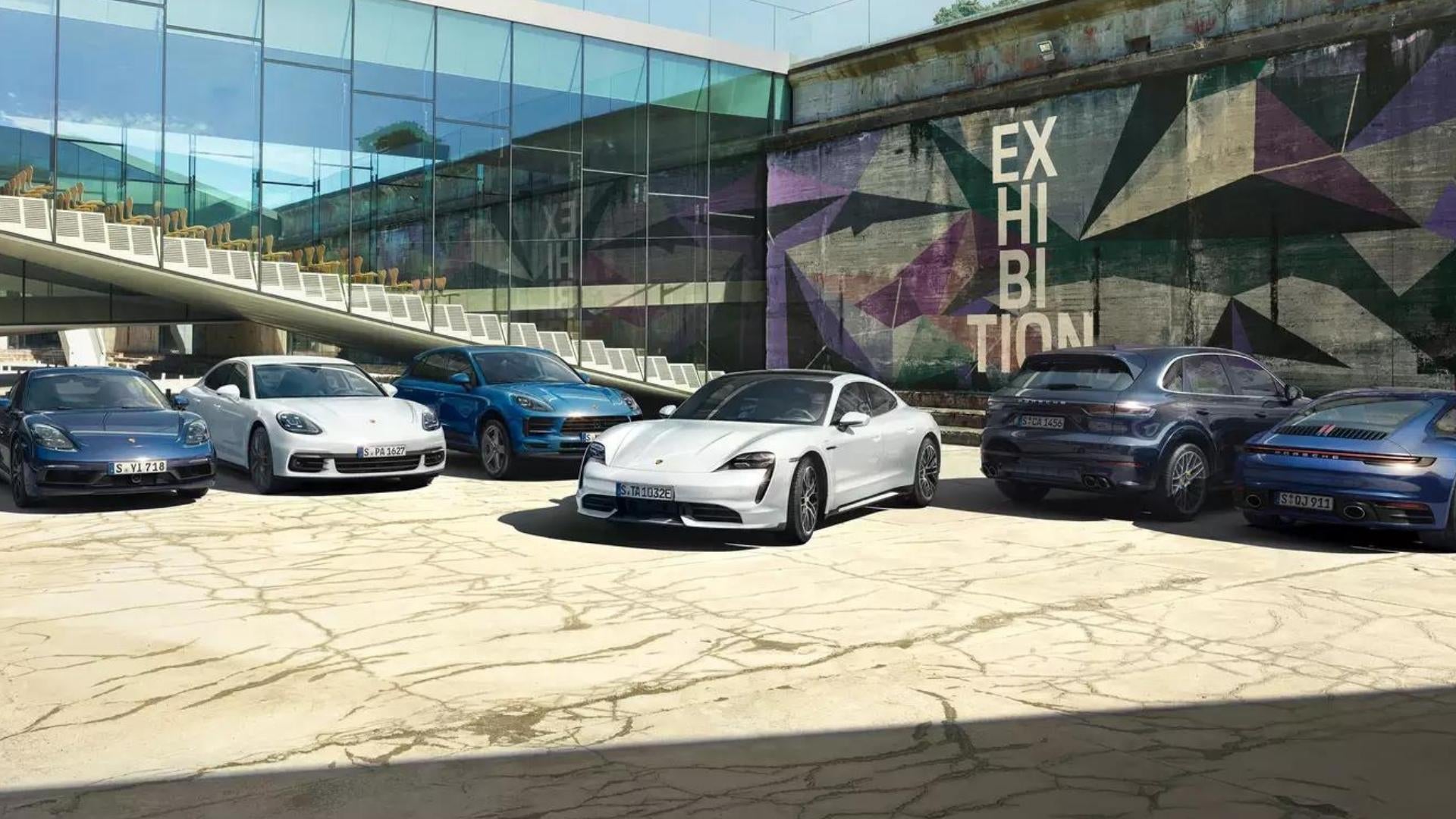
Porsche has always set the standard when it comes to luxurious sports cars. It all starts with the Porsche emblem, which pays homage to its home in Stuttgart, Germany, where Porsche's headquarters are located. Württemberg's ancient coat of arms is the basis of Porsche's iconic emblem and an important part of Germany's history. Today, the Porsche logo still represents the power, performance, and status that are synonymous with the Porsche brand. The 2022 lineup carries all of that decades-old and hard-won prestige but is at the same time revolutionary in terms of offering sustainability along with Porsche design and performance. more Here’s a glimpse: Taycan Everyone is buzzing about the 2022 Porsche Taycan for a reason. Not only is it fully electric but it boasts incredible fuel savings due to the size and range of the cutting-edge battery. And when it comes to power you have choices: The Taycan Turbo and Turbo S offer you supercar performance worthy of the racetrack. The Taycan 4S comes with a 522-horsepower powertrain as well as adaptive air suspension that makes it great for your day-to-day. The interior is all about high-tech luxury. You and your passengers will enjoy the part-leather upholstery, keyless entry, four-zone climate control, heated rear seats, heated steering wheel, massage function in the front seats. You can even opt for a 5.9-inch touch screen for the back seats. Other driver-assistance options include automated emergency braking, lane-keeping assist, and forward-collision warnings. There is also available Smart Adaptive Cruise Control with stop-and-go technology. All starting at $84,050. Macan This is the best-selling Porsche on the planet for a reason: This muscular and athletic vehicle is setting the standard for luxurious and sporty compact SUVs. You’ll love the seven-speed automatic transmission with dual clutches and all-wheel drive. It offers a mighty 261 horsepower and 295-lb-feet torque thanks to its 2.0-liter four-cylinder turbocharged motor. Endless options include. With the Macan you can expect plenty of safety features and other driver-assistance technology such as lane-departure warning and automatic emergency braking. The cruise control makes life easy behind the wheel as it that adapts as you drive. The Macan is popular for a reason. It’s both athletic and luxurious, ready for any weekend adventure – on or off the road. It offers power via available turbocharged four-cylinder and V6 engines as well as responsive handling. Starting at $56,250. Cayenne This larger two-row luxury SUV offers sporty handling and plenty of utility – and an impressive powertrain. You can choose a 355-hp turbo V-6, or an even beefier 434-hp twin-turbo V-6 or a 460-hp twin-turbo V-8 within the performance-driven GTS. Oh, and there’s a 455-hp plug-in hybrid that has plenty of power and is good for the environment. All models boast a roomy and comfortable interior that can be made even more luxurious and high-tech due to the plethora of available options. And for 2022, the infotainment system of the Cayenne has been upgraded with the new generation Porsche Communication Management (PCM) that includes enhanced support for Apple CarPlay and other products. Opt for the Platinum Edition Package and you can have satin finishes and 21-inch wheels on the exterior. Even the base model comes with a 12.3-inch touchscreen, a 10-speaker stereo, and a Wi-Fi hotspot—among other popular equipment. Starting at $70,000. 911 t’s Porsche’s best-selling sports car and one of the most iconic automobiles of all time. And the 911 represents a greatness that will never let you down. Take, for instance, the Porsche 911 Carrera. Born from the 992 generation of Porsche, the Carrera has a proven record of impeccable design, superb technology, and an unchanging history of victory, the Porsche 911 Carrera is the vehicle for all true lovers of automotive and for all devotees of Porsche who know there are many fast cars, but there will never be one as iconic as the 911. So with the key in your pocket, open the door, step inside and discover why they say, "There's no place like home."

3

Here's Why the Macan is the Best-Selling Porsche in the World

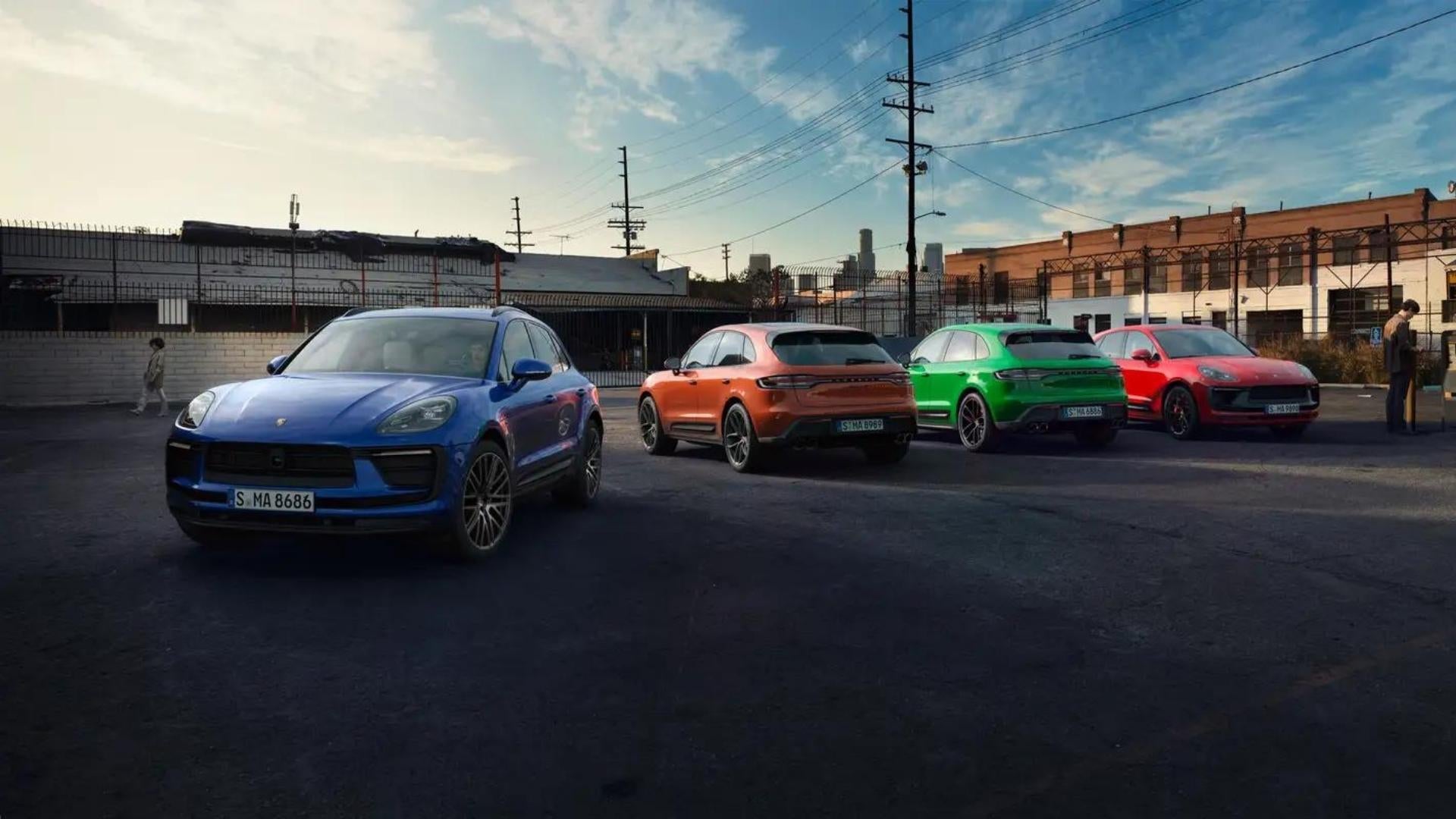
Did you know that the Macan is the best-selling Porsche in the world right now? That’s because top-selling Porsche models are SUVs - and the compact Macan SUV leads the pack. Worldwide in 2021, 88,362 buyers became Macan owners, followed by the Cayenne, with 83,071 sold worldwide, according to the latest data. The Macan is popular for a reason. It’s both athletic and luxurious, ready for any weekend adventure – on or off the road. In fact, it’s consistently been ranked as one of the most reliable SUVs on the market. It offers pure Porsche performance, handling, and power via available turbocharged four-cylinder and V6 engines. According to Consumer Reports: “The Macan combines much of the performance and feel of Porsche's sports cars in a small SUV. Turbocharged four-cylinder and V6 engines are available. In fact, this is one of the best-handling SUVs we've ever tested. The seats, fit and finish, and attention to detail are first-rate. The firm ride is steady and controlled but not plush.” Porsche's compact luxury SUV blends much of the performance and feel of Porsche sports cars within the body of a functional but smaller SUV. Everything about it carries Porsche DNA - from the seats to the controls to the finishes. And of course, the powerful engine is pure Porsche. Here are a few other features you might love in the Porsche Macan: -The ascending center console and optional Multifunction GT Sport Steering Wheel contribute to the genuine sports car feeling. -The elegant interior conveys the exclusive impression you expect from a Porsche, thanks to the optional high-quality leather throughout. -The optional seat ventilation provides a pleasant climate and improved seating comfort – it works by actively ventilating the perforated seat center and backrest. -Power-adjustable seats for the driver and front-seat passenger and small interior cubbies create comfort and storage. -The infotainment system comes with an assortment of high-tech features, including wireless device charging and USB ports as well as 12-volt outlets that are situated throughout the interior. -The mobile Wi-Fi package onboard will save you and your passengers’ data – and Apple CarPlay is standard. This is an SUV that is equally at home roaring up a mountain or picking up the kids from school while offering a refined-looking chassis, strong turbocharged engines, and a comfortable, tech-filled cabin. We know you’ll love the Macan's speed, precision and comfort. It’s got all the attitude that you want and deserve in a Porsche. Starting at $54,900 it’s an SUV with the soul of a sports car. And now for 2023, Porsche has added the Porsche has added the Macan T trim to its SUV lineup. It offers, among other things, adaptive suspension along with the Sport Chrono package (including a set of driving modes) and a launch-control feature. It carries the base Macan's 261-hp turbocharged four-cylinder engine along with all-wheel drive as standard. It stands out where other SUVs fade into the masses. Dynamic, with extensive standard equipment, model-specific design features - and, of course, typical Porsche performance. Please reach out if we can answer any questions today!

Porsche Carbon-Neutral Fuel

Even Cleaner Than Electric? Porsche is Teaming Up to Create a Near Carbon-Neutral Fuel.

Cars with a lower overall carbon footprint than electric cars? That is the future Porsche is envisioning as it joins forces with Siemens Energy and other international companies to build an industrial plant for the production of an almost carbon-neutral fuel (eFuel). The ground-breaking ceremony for this pioneering project in Punta Arenas, Chile, took place last month – with Chile’s Energy Minister Juan Carlos Jobet present. The pilot plant is called Haru Oni (aka Highly Innovative Fuels plant). The plant will produce fuel that is nearly carbon-neutral and can be used with existing internal-combustion engines, according to Porsche. The fuel will be produced using electrolysis to split water into hydrogen and oxygen. more Carbon dioxide (CO2) captured from the atmosphere will then be combined with the hydrogen to produce synthetic methanol, which will be converted into fuel or "eFuel" as Porsche has named it. Making this project even more green, electricity needed for production will come from wind power, lowering the carbon footprint of the production process, the company said in a statement. All of this makes for one of the cleanest fuel sources on the planet, according to Porsche. In fact, the process will be so clean that cars burning synthetic fuel will have a lower overall carbon footprint than electric cars once emissions related to manufacturing are factored in, according to Porsche vice president of GT cars and manufacturing Dr. Frank Walliser. However, Porsche noted that the amount of energy involved makes the process of manufacturing and distributing synthetic fuel is still less efficient than charging an electric car. The is slated to produce around 34,340 gallons of fuel during the first stage slated for 2022. A second stage, through 2024 is expected to ramp up production to 14.5 million gallons annually. And a third stage that will take the project through 2026 will further boost annual production capacity to 145.3 million gallons. Porsche plans to use synthetic fuel in its Mobil1 Supercup one-make race series beginning in 2022. The overall hope – along with the pressing environmental need for such technologies – is that synthetic fuel can help keep Porsche’s classic cars on the road in the era of electric cars and beyond. For instance, the new fuel may be a good fit for the 911, which Porsche has hesitated to electrify. But cost may prove to be an issue, along with the fact that the production process is not yet proven. The Porsche team of researchers are working to get the price below $2 per liter or $7.6 per gallon - but that would still make synthetic fuel more expensive than gasoline, even in Europe.Still, Porsche is hopeful about the future of this fuel. “I’m pleased that we’re making progress on this international beacon project for the hydrogen economy together with strong international partners from business and politics,” says Armin Schnettler, EVP for New Energy Business at Siemens Energy. “With Haru Oni, we’re bringing our power-to-X technology to the global market. We’re jointly developing and realizing the world’s first integrated and commercial large-scale plant for producing synthetic, carbon-neutral fuels. In southern Chile, we’re implementing one of the energy industry’s most exciting projects for the future and driving forward the decarbonization of the mobility sector. It means we’re making an important and rapidly effective contribution to reducing CO2 emissions in the traffic and transport sector.” The Haru Oni project benefits from the perfect climatic conditions for wind energy in Magallanes province in southern Chile to produce the virtually carbon-neutral fuel using low-cost green wind power, Porsche noted. Porsche AG has set itself an ambitious goal: in 2030, the company wants to have a CO2-neutral balance sheet across the entire value chain. The Executive Board of Porsche AG provided information on this at the annual press conference. “Sustainability is an important part of our Strategy 2030 – holistically: on economic, ecological, and social terms,” says Oliver Blume, Chairman of the Executive Board of Porsche AG. “We launched a comprehensive decarbonization program with a firm target in mind: Porsche wants to have a CO2-neutral balance sheet throughout the entire value chain in 2030. We will achieve this by systematically avoiding and reducing CO2 emissions.”

model-series-g2-2nd-panamera-highlights-06

The 2022 Porsche Panamera: Maybe the Most Comfortable Sports Car on the Market Today.

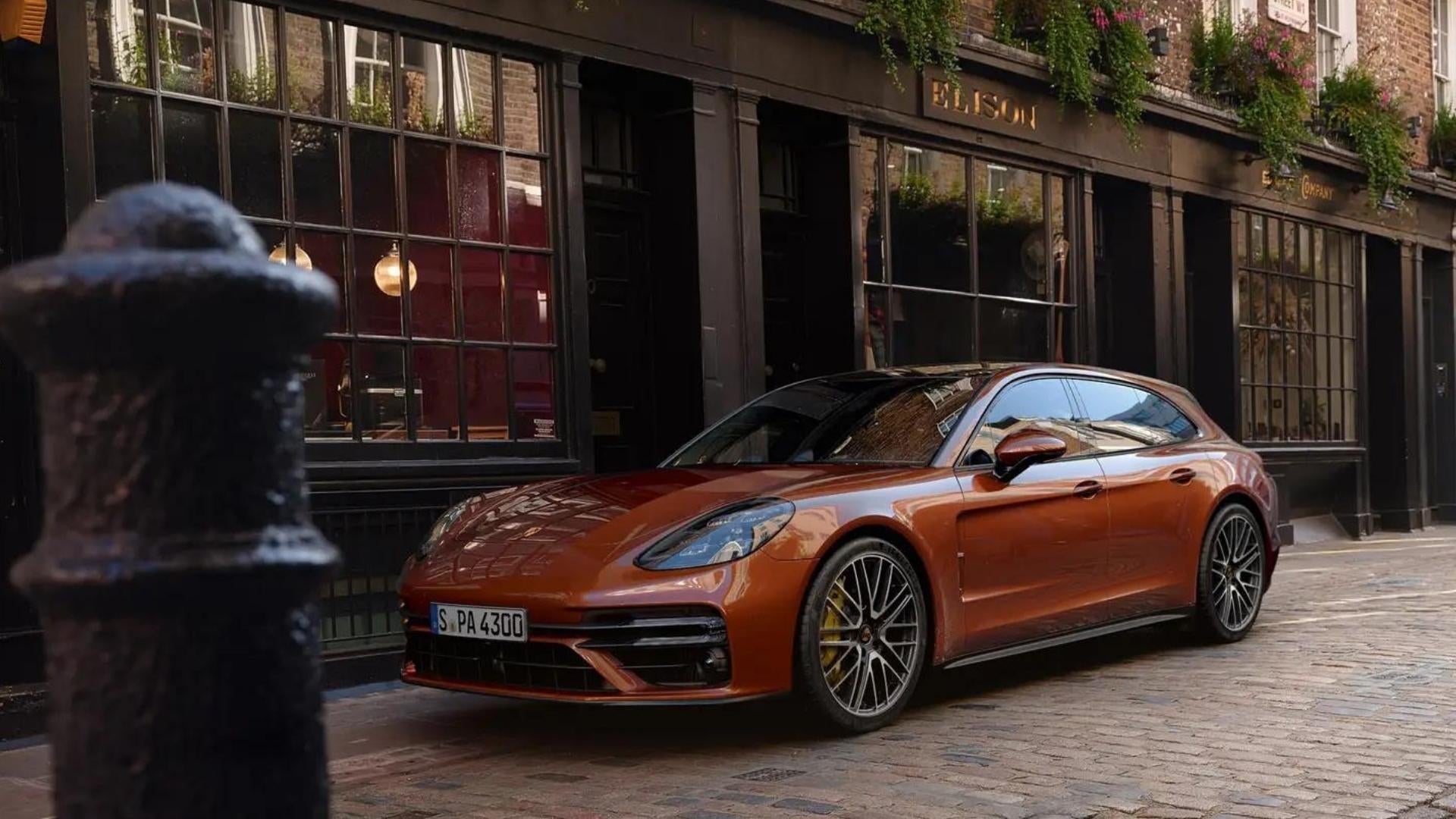
The 2022 Porsche Panamera was created to meet your everyday needs without sacrificing great power and performance. Think of it as a super sports car for the whole family. Available as a sleek wagon, a sporty hatchback-style sedan or an extended-wheelbase sedan, the Panamera has you covered. And, it’s available in several powertrains, including including a V6, a turbocharged V8 and a hybrid. In other words, the Panamera is everything you’d expect from a Porsche. Sportiness. Great handling. Power. But its interior also makes it the most comfortable sports car on the market in 2022. Let’s take a look at some of the comfort features on the Panamera that make it one of the best luxury cars of 2022: As a Porsche, the front of the cabin is, of course, focused on you - the driver. But in the back, relaxed serenity reigns supreme. There’s generous space for your passengers and the large luggage compartment under the wide opening tailgate keeps space freed up inside the cabin. Folding rear seat backrests allow larger cargo to be transported as well. Clearly, not your typical sports car. But a sports car just the same. In front, the driver and passenger seat offer a high level of comfort and provide lateral back support in fast corners. Among other things, the seat height, cushion and backrest angles and forward/backward positions are electrically adjustable. All without restricting freedom of movement. The 14-way, electric Power Seats offer additional cushion length adjustment and four-way lumbar support for driver and front passenger. And best of all, the memory function stores settings for seats, steering column, exterior mirrors and other items. Need even better lateral back support? The 18-way, electric Adaptive Sport Seats may be just what your doctor ordered, allowing you raise the side bolsters on the cushion and backrest. They offer you and your passengers comfort on long journeys and made-to-measure lateral support in the corners. The rear seats come with an abundance of leg and headroom and effective lateral support during cornering without sacrificing comfort. Power Seats with backrest adjustment, cushion length adjustment and lumbar support are also available for the rear seat, according to Porsche. And depending on the equipment you choose, the front passenger seat can also be adjusted from the rear. Along with the Adaptive Sport Seats in front, the rear seats are also designed as Sport Seats and include raised side bolsters that will keep you and your passengers comfy on even the longest road trips. To recap, here’s a look at the comfort features you'll love inside the 2022 Porsche Panamera: -Electric-power seats are standard and include heated seats and comfort headrests with contoured side bolsters for added comfort. -A large rear center console is available for the Executive models and offers additional storage space as well as a further smartphone compartment, additional USB interfaces and a 12 V and 230 V socket. -The front seats provide a very high level of comfort and provide support around dynamic corners without restricting freedom of movement. -In the front, the seat height, backrest angles and fore/aft position are able to be electronically adjusted. -The front seats of all new Panamera 4S models – and the rear seats of the Panamera Turbo – include seat heating for added comfort. -Seat ventilation with active aeration of the perforated seat center and backrest – is optional. -An optional massage function in the powered seats (front and rear) includes five programs and five intensity levels to choose from, 10 air cushions in each backrest that provide a relaxing rub for the muscles. -Ambient lighting, including rear interior lighting, is an option that is designed to enhance passenger comfort. -You can decide on design, including seat variants, leather or two-tone interior schemes, fine wood and metal finishes. -In the Sport Turismo models, the 4+1 seating concept is standard and comprises two full-size individual seats outside left and right and one center seat in place of the storage compartment.

IMG_8843

Let the 2022 Porsche Restoration Challenge Begin

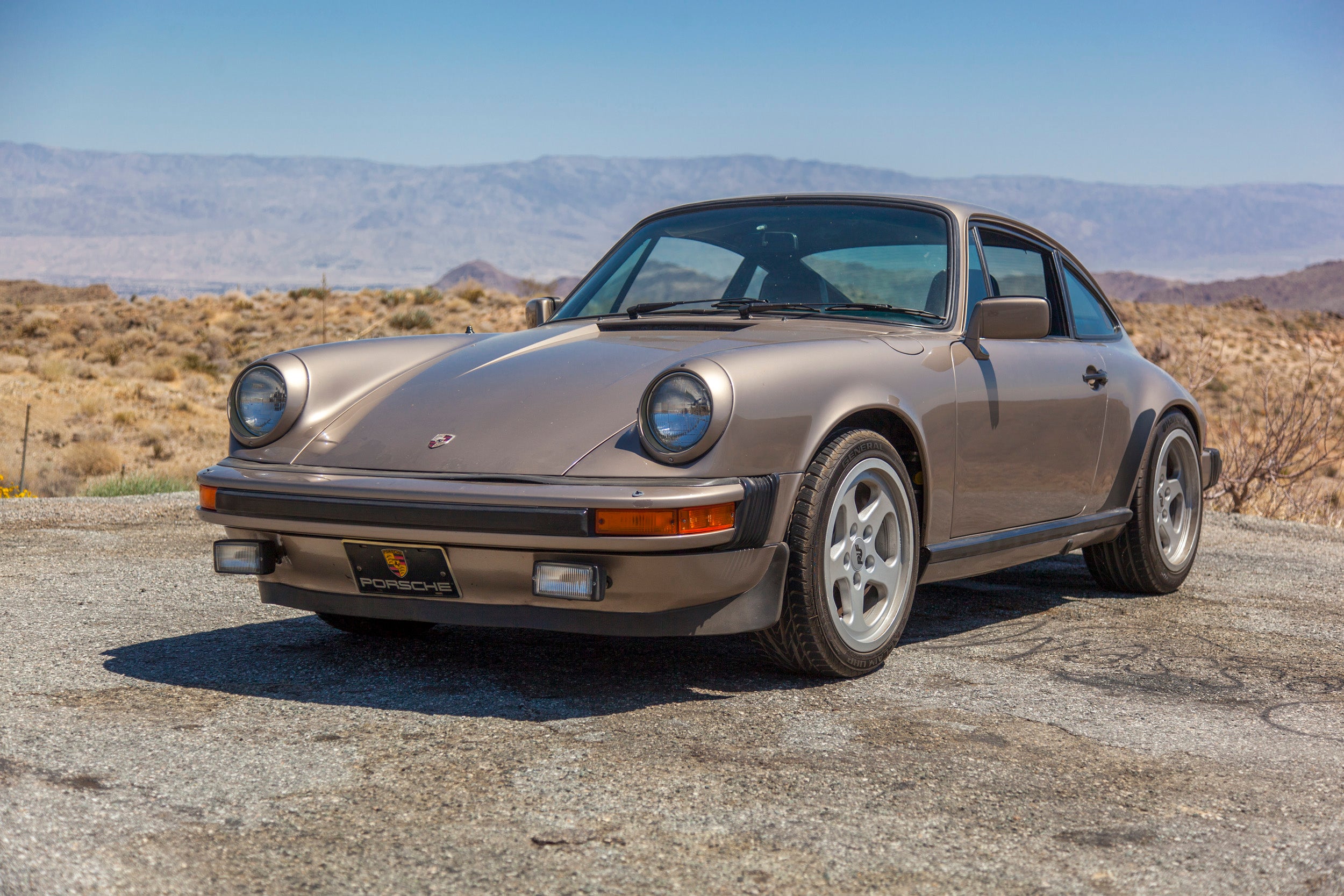
As a designate Porsche Classic Partner, we are excited to participate in the 2022 Porsche Restoration Challenge, competing against other regional Classic Partner dealerships in the restoration of a classic Porsche. We invite you to follow our progress in the coming months as Porsche Palm Springs brings new life to this 1982 911 SC. The last few weeks, Service/Classic Partner Manager, Ken Arguelles and our Classic Technician, John Ghaemmaghami have been hard at work planning the transformation, selecting parts, and beginning the tear down. A final reveal will take place at the end of July 2022. Follow us here, on Facebook or Instagram. To learn more about our Porsche Classic Partner Status, click here.

Top Five OEM Porsche Accessories

Five OEM Porsche Accessories to Enhance Your Adventures

Rain or Shine Your Porsche is always Ready to Go with these Sporting OEM Accessories Learn About the Top Five Rugged Porsche Accessories As a Porsche driver, you love adventure. You love the fact that rain or shine – perfect road conditions or not – you are experiencing the thrill of driving one of the greatest performance cars in automotive history. And Porsche OEM accessories can help you make the most of any situation. With more than two decades of knowledge and experience, Genuine Porsche Tequipment Accessories stand for Porsche-level quality. The highest quality. So why not choose Porsche OEM accessories when you are deciding how you are going to make your Porsche ready for that next adventure? Developed with your whole Porsche mind and tailored exactly to your car, Porsche OEM high-quality products allow you to easily adapt your Porsche to your requirements. And to your whims. In other words, Porsche makes parts and accessories that exactly match you and your car. Porsche ensures that all Porsche Tequipment transport systems are designed for performance, just like your Porsche. The exterior and performance products ensure an even more dynamic appearance and impressively emphasize the sporty side of your Porsche while helping to make it more rugged ad ready for any conditions. So here are our picks for some top picks that will make your Porsche adventures even more fun: Roof Boxes Take advantage of life’s many opportunities when it comes to your Porsche. Porsche OEM roof boxes and transport systems allow you to easily adapt your Porsche to your requirements – whether it’s quick summer fun or a multi-state road trip. Available in high gloss black or in Platinum Look – always with the Porsche logo on both sides – Porsche OEM roof boxes are unmistakably Porsche design. All roof boxes are provided with longitudinal air channels, which minimize air resistance and distracting driving noises. A Porsche brand roof box increases your car’s luggage compartment capacity by 320 or 530 liters. All Porsche OEM roof boxes are mounted on the roof transport system. Attention should be paid to the permissible roof load of the vehicle when loading. You can find this information in the owner’s manual. The roof boxes can be opened and closed from both sides. The intelligent safety locking system ensures maximum transport safety as the key can only be removed when the lid is fully closed. With the lockable roof transport system, roof boxes are also protected from theft. All Porsche roof boxes can be pushed forward or backward on the roof transport system to perfectly position the roof box and allow unrestricted access to the luggage compartment. Roof boxes can be installed in a few simple steps. Due to the sizes of the roof boxes, we recommend using two people to install them. To secure the roof box on the vehicle roof you must have a roof transport system. The 320-liter roof box: High-quality plastic box, available in black (high-gloss) Volume: approx. 11.3 cu. ft./320 liters External dimensions: 6.75 x 2.75 x 1.11ft (length x width x height) Internal dimensions: approx. 6.43 x 2.43 x 1.08ft (length x width x height) Dead weight: 39.6 lbs The Porsche logo on both sides matches your car perfectly and ensures an individual look. The roof box is lockable. The system also ensures maximum transport safety, as the key can only be removed when the roof box is fully closed. The roof box has an anti-slip mat at the bottom of the box to help with secure loading. The roof box can be opened from either side. This simplifies both the loading and unloading of the box. The 520-liter roof box: High-quality plastic box, available in black (high-gloss) Volume: approx. 18.3 cu. ft./520 liters. External dimensions: 7.15 x 2.93 x 1.31ft (length x width x height) Internal dimensions: approx. 6.72 x 2.55 x 1.11ft (length x width x height) Deadweight: 57.3 lbs The Porsche logo on both sides matches your car perfectly and ensures an individual look. The roof box is lockable. The system also ensures maximum transport safety, as the key can only be removed when the roof box is fully closed. The roof box can be opened from either side. This simplifies both the loading and unloading of the box. The roof box has an integrated ski-holder system Bike Rack Your car and your bike complement each other perfectly – you may even have a Porsche brand bicycle to match your 911. After all, Porsche is a master at combining sporty driving with other kinds of sport - such as bike riding. And with a bicycle rack from Porsche Tequipment, you can plan a fun outing that includes a scenic country road or a ride through a forest. The Porsche OEM bicycle racks are available in various designs for the various models in the Porsche car range. A roof-mounted bicycle rack, whether it's designed for conventional bikes or for racing bikes, is a popular accessory for transporting two-wheelers on the car roof. Both the regular bike carrier and the racing bike carrier are mounted on the roof transport system. Up to three bike carriers can be mounted on the roof transport system. One racing bike carrier can hold one racing bike. Up to two racing bike carriers including front wheel holders can be mounted on the roof transport system. Both the bike carrier and the racing bike carrier enable unrestricted access to the luggage compartment. Keep in mind: A roof transport system is required for mounting a bike carrier or racing bike carrier on the roof of the vehicle. Floor Mats When it comes to your Porsche you want and deserve precision down to the very last detail. Porsche OEM tailored floor mats allow you to set those accents to your own preferences, even in the footwell of your cabin. When you pay a premium price for your luxury vehicle, every single spec of the car should be top-notch, right? The exterior of the car is already pristine in terms of design, and the engine has unmatched power. The seats are also made of perfect leather. And yet industrywide, the standard for floor mats is still very low. Why not purchase Porsche OEM floor mats that look good and protect your car in a way that other mats can’t? They are made to fit your model right down to the last centimeter. You want to be sure your mat is all-weather and capable of withstanding all of the elements including snow, rain, and mud. With proper care, they are guaranteed to hold up for years to come. They have to work well and look good. They have to be Porsche OEM floor mats. Car Covers A car cover can help protect your Porsche whether it’s sitting in a garage or a carport. Using a car cover will keep your Porsche much cleaner and save you a lot of time and money in terms of washing the car. You need a car cover especially if your Porsche sits outside for any period of time. Sun exposure can damage exterior paint as well as the dashboard and upholstery. So in order to preserve your car and its value be sure to use a cover. We recommend OEM Porsche car covers that are designed to fit your specific Porsche model like a glove. That means your car, when parked outside your home or inside your garage won’t be making contact with the sun (unless you are driving) or with dust, chemicals, leaves, and sap. The cover will also help keep your exterior paint from fading or scratching. And the interior will last longer as well. A cover also helps deter thieves who can’t see exactly what is under the sheath without approaching the vehicle. So when in doubt, cover it up! Porsche OEM covers are manufactured after taking precise measurements to fit your model so they fit every angle of your auto. They fit better and look better than universal covers. Indoor covers provide a very soft material that pampers the paint while protecting it from scratches and dings from other cars. Outdoor car covers have more rugged materials that help protect your vehicle from the sun and other harsh elements. They are waterproof and can save your car from ice, snow, bird droppings and squirrels, and other critters. So what’s the best car cover for you Porsche? An OEM Porsche cover, of course. They are customized to your model, tailored to indoor or outdoor use, all around just perfect for your Porsche, whether it’s a 911 Carrera, Boxster, Cayman, Cayenne, Macan, Taycan, 918 Spyder, Carrera GT, or Panamera model. There are also specific covers for the 959, 924, 944, 968, 356, and GT1 models. Towing Hitch A trailer hitch is the main connector between a tow vehicle and trailer. It’s also the structural component that bolts onto the vehicle and provides a coupling point to hook up a trailer. And a Porsche OEM towing hitch ensures that you are not going to damage your car or the mass that you are towing. The Porsche Cayenne, for instance, has a towing capacity of over 7,000 pounds. The Cayenne is quite simply the most versatile vehicle Porsche has ever built. This includes the capability of being used as a tow vehicle. All Porsche Cayenne models have trailer-hitch preparation as standard equipment (except the Hybrid model). With its exceptional towing capacity, the Cayenne takes you down the road as perhaps no Porsche ever before. A factory retrofit kit includes a manually detachable trailer hitch that accommodates a maximum braked trailer weight of 7,716 pounds and a maximum tongue weight of 617 pounds. Keep in mind: The V6 models with a manual transmission have a lower towing capacity. The kit comes with a brake light module, wiring harness, and bolts necessary for installation as well as a 13-pin socket. For more details contact us today. Tread Plates A treadplate is also known as a floor plate or a diamond plate or even a diamond tread plate. It provides a durable, anti-slip surface for dock surfaces, vehicle running boards, among other things. It’s resistant to weathering, corrosion, and chemicals and should require no maintenance or surface treatments – especially if you choose a Porsche OEM tread plate. A good tread plate is lightweight but durable. It’s also easy to clean and non-skid, as well as being highly resistant to corrosion. For more information on Porsche OEM tread plates reach out to us today. Embark upon a voyage of discovery. Explore something new every day. Because the possibilities are almost limitless. Your life is not designed for standing still. Just as well. After all, neither is your Porsche. And so that you can always focus on the essentials – driving pleasure – before, during, and after your journey, our products ensure that everything you transport is well protected.

1

Beau Robinson Combines Passion for Porsche with Passion for Art

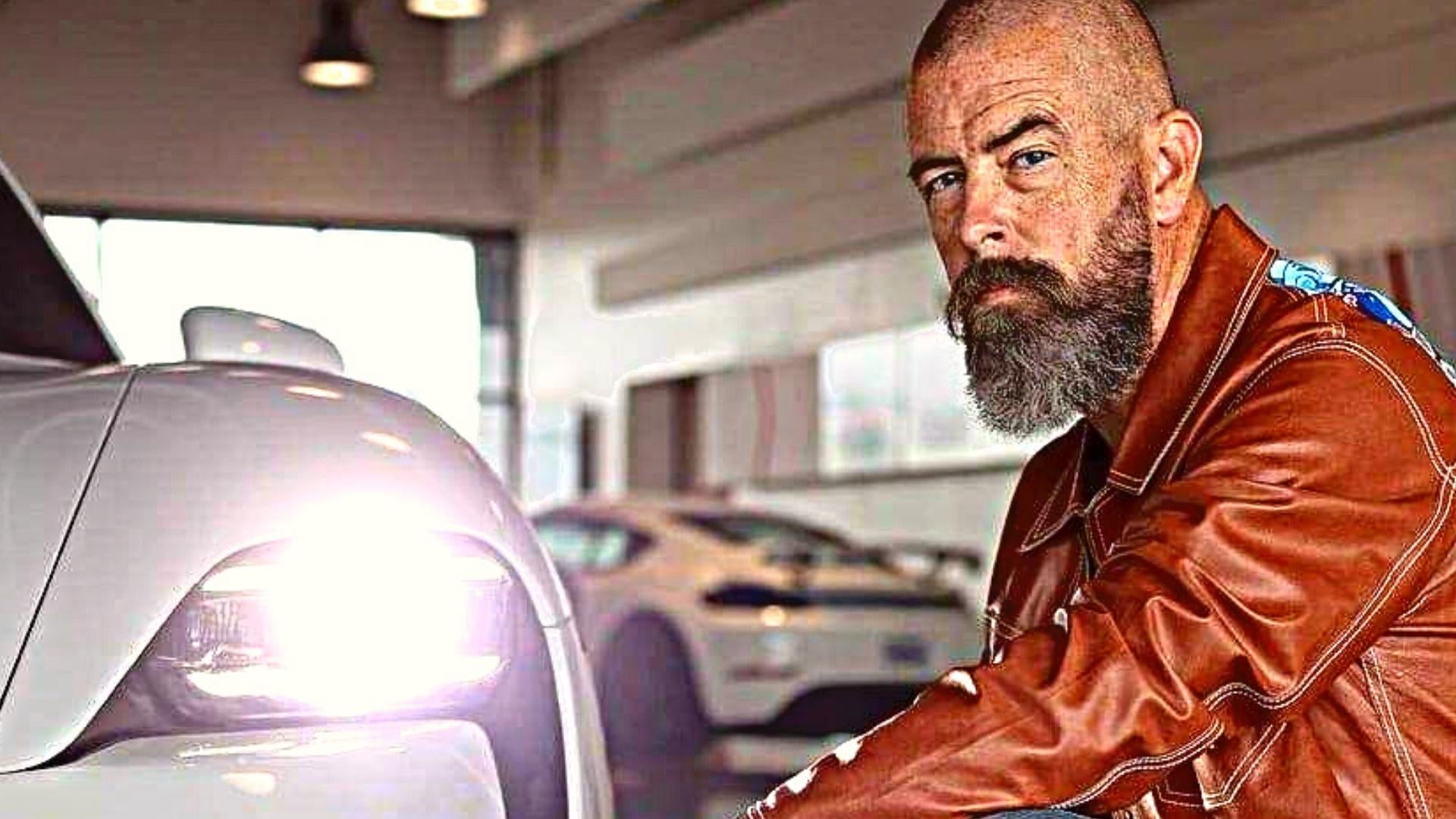
Porsche Palm Springs is excited to have world-class painter Beau Robinson’s work featured here as part of our celebration of the city’s Modernism Week, Feb. 17-27. If there ever was a Porsche artist, it’s Beau. A lifelong fan of fast cars and Steve McQueen, Beau cultivated his love for art by immersing himself in the world of Porsche. Working with a variety of mediums, including acrylic, watercolor, and pen and ink, he seeks to capture the feeling of motion in his work. He will show his art in our Porsche Center from Feb. 11 through Feb. 19. His show also aligns with the Palm Springs Fine Art Introspect Feb. 10 through 13. We’ll be offering drinks and small bites as part of the show throughout the day on Feb. 11 and 12 as well as Feb. 18 and 19. Come join us at the Porsche Platz as we celebrate these events with Beau’s incredible paintings of Porsche cars. Beau lives and works in a beach city in Southern California with his fiancé – just a few blocks from the ocean. He has a deep family connection to Palm Springs through his aunt, who was also a fine artist and showed her work in local galleries in the 1980s under the name Raejeanne. Among other things, Beau's work has been shown at the Porsche Experience Center, Sofitel, and the PCA  Concours D’ Elegance. We decided to chat with Beau and find out more about him before his work lands at Porsche Palm Springs next month. Can you tell us about yourself and describe your mission as a fine artist? My name is Beau Robinson and I am 50 years old. I live in Southern California, where I start my day surfing. I have two grown children, a girl, and boy, ages 29 and 24, and they live in Austin Texas. I spent most of my career in construction, kitchen, and bath design as well as real estate and I trained/taught martial arts. I had always planned to one day make martial arts my full-time focus. I hold multiple black belts in modern and traditional martial arts and am a second-generation student of Bruce Lee. But life takes some interesting twists and turns. Today, my mission is to create automotive-themed fine art that is hung in the front room and not the garage. How did you become an artist? I closed a few businesses back in 2008 and had back surgery in 2009 - so I was a bit lost at the time. I was broke and broken and decided to move back to California where I grew up. I had lived in Seattle for 20 years and always missed the beach. When I returned to CA I was still in physical therapy for my back and spent the first few months rehabbing it by walking the beach on the sand and strand. During my recovery, I started drawing and painting - all mediums. I was working in a few bars, usually as a host/bouncer so I could spend that time on my feet instead of sitting which was still very difficult. Writing beer lists and drawing cartoons on bar chalkboards got me used to people watching me work, commenting on my work, and having to look at it and see every mistake the entire shift. I would draw and paint anything that I found interesting. I had no formal training so I was learning composition, shading, color theory, storytelling etc., through trial and error. But I also had the freedom of having no rules. The work started selling locally and I organized a few shows bringing in other artists. How did you get into painting Porsches? I have three original 356 Porsches on my street and would take plenty of pictures of them each day as I walked through the neighborhood. My fiancé was starting a new position in a new facility and from past experience, I knew this would mean a year of long days and crazy schedules that would make it ideal for me to just paint. I stacked up 60-plus pieces of Porsche-themed paintings, both acrylic on canvas and watercolor on paper. I had a chance to rewrite my future and painting the things that excited me was a freedom I now had in my new pursuit. I had no idea that I would find painting in my 40’s and pursue it full time having so much fun. I loved the beach culture of California and Porsche is very much a part of that. My subject matter ranges from pop art, shark and octopus, nudes, and Porsche. In fact, about 90 percent of my work is Porsche. And were you able to bring your work directly to Porsche? I began actively seeking a place to show the work and eventually held a solo show at the Porsche Experience Center  where I debuted these pieces to the public, including a large unveiling of the Pink Pig 911 RSR. I felt honored to pull off that special covering with the big Porsche crest on it and show a roomful of Porsche people my newest piece. The following year I held shows for  Porsche France, and the Concours d’ Elegance event for PCA. After a pause in shows over the last two years, I was approached by Porsche Cars North America and asked to submit a proposal and mockup for an art car. I had something in mind already and had been searching for a car to paint and it found me. The canvas would be a new white Porsche Taycan. My design was selected from a handful of artists, and I completed the DNA Art Car live in front of a crowd at PECLA’s 5 year anniversary event. Any exciting plans for the future? I am always painting, if not on canvas then in my head. I have so many pieces in my mind I haven’t had a chance to paint yet, and that drives me to get them out and make room for more. I connected with Porsche Palm Springs because we spend time there every year and always stop in to say hello and take photos. It took a few years to figure out how to create an event that would be beneficial for all parties and Intersect/Modernism seemed a great fit. My aunt was a professional artist and got her start by showing in the galleries of Palm Springs, and I had a sentimental vision of following her path in this area. Most of my work is shown locally near the city where I live. Social media has been where I get the most interest in my work. I found a family and a source of endless inspiration in Porsche. I would love to eventually make it into Christophorus Magazine, collaborate with Porsche on shoes and a watch, and continue to work with Porsche Cars North America on future projects. Interested in purchasing one of his pieces? You can reach out to Beau through his website at www.therealbeaurobinson.com or on Instagram and Facebook at @therealbeaurobinson.

1

Translated from the Track: The 2022 911 GT3 Delivers Pure Driving Excitement

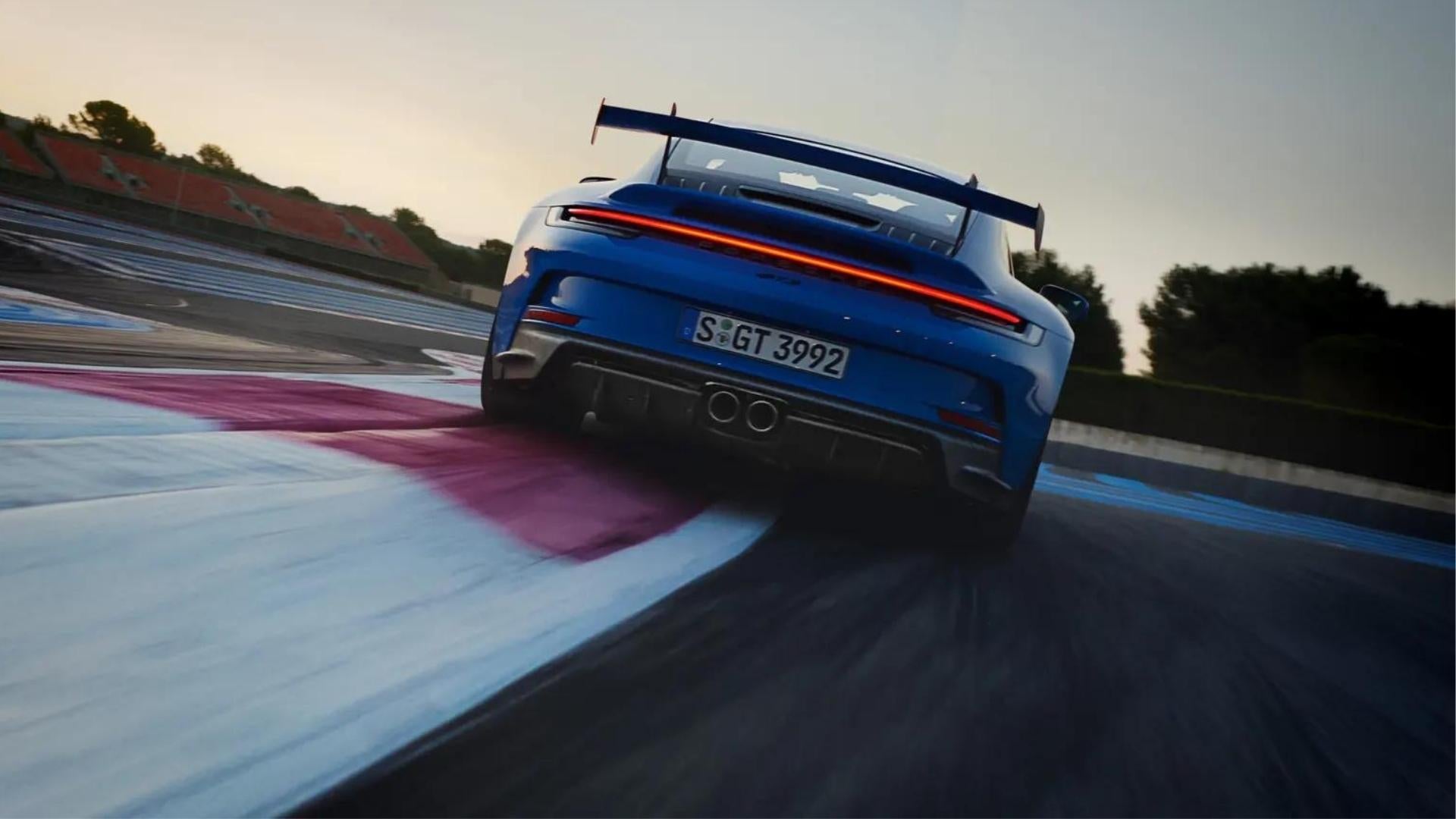
Porsche has a long tradition of translating what it learns on the track into cars designed for the road. And the 2022 911 GT3 is a perfect example of this tradition. With its extensive lightweight materials, refined aerodynamics and a motorsports-derived double wishbone front-axle layout, the new 911 GT3 seeks to raise the bar once again in the already rarified world of Porsche. It has a high-revving  naturally aspirated engine shared with 911 GT3 Cup, that double wishbone front suspension adapted from 911 RSR and a choice of PDK or six-speed manual transmission. Kjell Gruner, President and CEO of Porsche Cars North America, Inc., described 911 GT3 as having a “soul that’s born in the Motorsport.” The new model GT3 starts at $161,100 and is arriving in U.S. showrooms as part of the 2022 model year. Whether you’re enjoying a favorite twisty lakeside road or taking to the track, the new 911 GT3 promises to be among the most exciting and rewarding cars you’ve ever driven. At the heart of the new model: A naturally aspirated 4.0-liter, six-cylinder boxer engine that revs to 9,000 rpm. The GT3’s engine churns out up to 502 hp and 346 lb-ft of torque and offers you razor sharp throttle response due in large part to its six independent throttle bodies. The 2022 911 GT3: Straight Off the Track The engine of the new 911 GT3 is virtually identical to the one found in the new, track-only 911 GT3 Cup race car. Included as standard: The seven-speed Porsche Doppelkupplung (PDK) transmission – engineered and tuned specifically for the 911 GT3. Want a particularly engaging driving experience? Then you might opt for an available six-speed manual transmission. It’s the same engine that was first introduced in the limited-production 911 Speedster in 2019 but further optimized for use in the new 911 GT3 with new pistons. You can get from zero to 60 mph with the standard seven-speed PDK in a mere 3.2 seconds and reach a top track speed is 197 mph. Other 911 GT3 Features Highlighted by Porsche: • A dry-sump lubrication system ensures a sufficient oil supply even at very high lateral and longitudinal loads by using a total of seven suction stages that quickly return oil to the external tank. • The standard braking system also boasts improvements over the predecessor model with cast iron discs measuring 408-mm in diameter on the front axle, which is a 28-mm increase over the previous generation. • The discs used for the GT3 are approximately 17 percent lighter than those on the 911 Turbo models due largely to the use of a narrower friction ring. • Porsche Ceramic Composite Brakes (PCCB) are also available as an additional cost option. (The optional system includes rotors with a diameter of 410 mm in the front and 390 mm in the rear that offer weight savings of about half compared to similarly sized cast iron brake discs and significantly improved thermal load capacity). • GT-specific forged alloy wheels with a 20” diameter in front and 21” diameter in the rear contribute to the overall improvement in vehicle dynamics. • Front wheels are half an inch wider than the wheels of the previous GT3, and gain an inch of diameter in the rear. Despite increased width, the new wheels are also about 3.5 lbs (1.6 kg) lighter in total as compared to the wheels on the preceding model. The Improved Performance is also Due to Aerodynamics. A new front fascia includes integrated cooling intakes along with an adjustable front spoiler lip and an adjustable front diffuser that can be set up for track use. Special side skirts optimize air flow around the wheels. Yet the most visually striking aerodynamic development is found at the rear, where swan-neck connections support the rear wing - and a large and stunning rear diffuser is visible. The rear wing is in fact manually adjustable in stages ranging from settings intended for road use – all the way up to positions intended for use on track only. In the “normal” position, aerodynamic downforce is up to 50 percent greater compared to the preceding 911 GT3. Performance position is applied to both the front and rear, and causes downforce to increases by up to 150 percent. This position is not intended for street use. The Cool Steering Wheel The connection to Porsche’s rich racing history continues inside, starting with the steering wheel. For that extra sporty look, the GT3 Multifunction Sport steering wheel has a 360 mm diameter and upholstery in Race-Tex is standard equipment. The steering wheel also includes a drive mode switch – a first in a 911 GT3. This allows you, the driver, to switch between driver configurable settings by simply turning the dial. In 2022, according to Porsche, you can also expect an expansion of connected services as the result of adopting the latest generation of Porsche Communication Management (PCM), accessed through a 10.9-inch touchscreen display, combining navigation, entertainment, comfort and communications systems. The new PCM is based on the operating concept first introduced in the Porsche Taycan and offers a simplified interface that is similarly flexible in layout and personalization to that in the electric car. But at the heart of it all the latest GT3 incorporates more racing technology than any of its predecessors. The layout of the double wishbone front axle, the refined aerodynamics with the swan-neck rear wing, and the striking diffuser are just a few of many examples. The car’s already comparatively light weight is also down thanks to insights gleaned from the racing world. The front hood - made of carbon fiber-reinforced plastic – and the lightweight glass windows as well as the lightweight sport exhaust system add up to reduced weight. The new GT3 weighs in at a nice 3,164 lbs. Further weight-saving components, such as the exposed carbon fiber roof, are also available. If you’re a purist you can still order a six-speed manual transmission that brings the weight up an additional 37 lbs. It’s Available in a Touring Package The 911 GT3 with Touring Package is delivered with a seven-speed Porsche Doppelkupplung (PDK) transmission as standard for the U.S. market, and a six-speed GT Sport manual transmission as a no-cost option in selected states. This is the first time the Touring Package is available with the seven-speed PDK dual-clutch transmission. Like its predecessor, engine, transmission, suspension, wheels and tires on vehicles with the Touring Package are adopted from the regular 911 GT3.

9

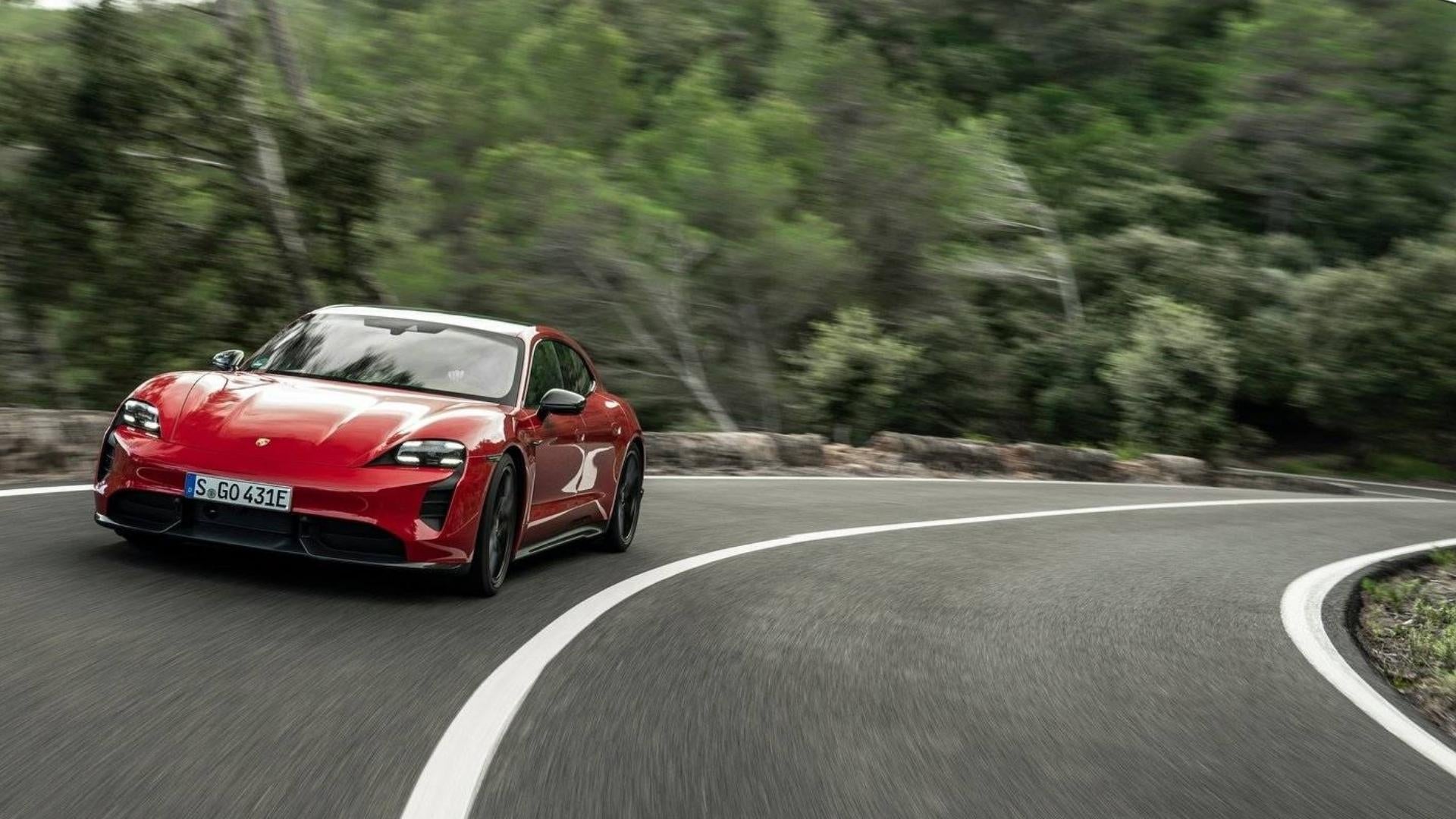
The Taycan gets the GTS Treatment for 2022

The Porsche GTS – along with its iconic badge - come from an era when Porsche cars competed in and won many racing events. The first-ever “GT” badge was given to the 356 Carrera GT in 1955. The first Porsche GTS road model showed up in the 1960s as the 904 Carrera GTS, which was a classic race car that Porsche wanted to bring to the streets. By the 1990s, after the heyday of grand races, the Porsche GTS badge finally made its way to a road car - the 928 GTS. GTS stand for “Gran Turismo Sport.” In order to make it a road car Porsche had to make the first GTS comfortable enough to make long road trips. So today, what GTS represents is added comfort and convenience (and incredible performance, of course). And once again, Porsche is proving that the GTS trim is one for the history books. The 2022 Porsche Taycan now comes in a GTS model. In just two years, the four-door all-electric Taycan sport sedan has become a bestseller, an icon in and of itself. Porsche is keeping up with that enormous demand by introducing the new Taycan GTS in the spring of 2022. To put it bluntly: It’s a driver-focused stunner. The GTS sits in the Taycan lineup between the dual-motor all-wheel-drive Taycan 4S and the Turbo in terms of price and performance. It delivers 590 horsepower and a 626 pound-feet of torque similar to the Turbo. Range is expected to come in better than the 227 miles of range in the 2021 4S but exact figures have not yet been released. The look is powerful, even a little menacing, with a blacked-out SportDesign chin spoiler and beefy air-curtain ducts underneath headlight buckets with a black background. There are blacked-out side-glass surround moldings along the side of the car along with deeper SportDesign side skirts that have gloss-black inserts. The rear diffuser is also accented gloss black and the word "Porsche" in the translucent taillight band is accented in black as well. Satin-black wheels with large red calipers also carry the look. The 20-inch Turbo S Aero Design wheels come as part of the standard trim or you can order sportier 21-inch forged RS Spyder design wheels with huge 265/35R-21 front and 305/30R-21 rear tires. The Taycan GTS badge on the tail is also finished in black. Inside, the blacked-out theme continues. There, the GTS interior is comprised largely of black Race-Tex, Porsche's faux-suede material. In fact, it’s the dominant material on the standard 18-way adaptive sport seats as well as the headliner, roof pillars, and sun visors. The GTS takes everything to another level. All of the adaptive air suspension and Porsche Active Suspension Management (PASM) systems are included in the Taycan GTS. But they’ve been reworked to create a more “neutral cornering attitude and better turn-in response” as Car and Driver magazine put it. While the GTS-badged Porsche Taycan is not intended as a track-only car it can perform on the track as needed. Overall, the GTS has more power and sharper handling than the standard version. But at a price point that is easier on the pocketbook than the Turbo. It’s all-electric but it’s still a Porsche. And it comes with a very long list of options, everything from rear-axle steering, improved adaptive suspension, and those 21-inch alloy wheels that are so stunning The EPA has not yet released its full range and efficiency data for the Taycan GTS but we will know more when the car is released in the spring. One test driver for the Arstechnica website described its performance on the track this way: “On track, you can get a sense of how much the Taycan's suite of traction and stability control systems are working. With the car in Sport Plus mode but with the stability management system active, it was possible to feel the car cutting power to the front motor as I negotiated the confines of the (track). Setting the stability control system to sport relaxes the intervention threshold (and) the Taycan GTS telegraphed its intentions and was easy to catch when it began to run out of grip. And the Taycan has some natural advantages for track driving—instant torque delivery and a very low center of gravity to name but two.” View our latest Porsche Taycan inventory.

The history of Porsche

The Name "Porsche" is Synonymous with Legendary Sports Cars and Racecars. This is How it Happened.

The Porsche name has become synonymous with sports cars and racecars. And that’s exactly what company founders Ferdinand Porsche and his son Ferdinand ("Ferry") Porsche set out to create when they first set up shop with 200 workers in 1948. Everything you love about Porsche today actually sprung from that father-and-son vision. Here's the history of Porsche. With a background in engineering experience that included working at Daimler-Benz, the elder Porsche established an independent design and engineering firm in 1931 and designed the Volkswagen Beetle. That’s right, this car (above) is actually a genuine Porsche – and an important part of German automotive history. Ferdinand Porsche designed the car as a pre-series model and prototype in 1939. The younger Porsche then went on to help grow the new company and was instrumental in designing the first Porsche sportscar - the 356. With just 40 horsepower from a rear-mounted – and slightly souped-up Beetle engine - the first Porsche boasted agile handling, as well as comfort and reliability. By the mid-1950s Porsche had introduced its own engines as well as a more powerful version of the 356. Then came the legendary 911 in 1964. Ahead of its time, the rear-engine 911 evolved over three decades by the time Porsche introduced a completely new 911 Carrera for 1999. Porsche cars began competing almost from the start and quickly became synonymous with racing. Porsche cars have won an estimated 24,000 auto races worldwide, including more than 50 class wins at Le Mans. So let’s take a look at some of the other important dates in Porsche history: The early years (1948-1954) 1948. Porsche introduces the aerodynamic "356," named for its design project number. The company hand-builds the first 52 cars in a small garage in Gmund, Austria, through the year 1949. 1950. Porsche leases space in the Reutter body factory in Zuffenhausen, a Stuttgart suburb. Reutter builds bodies for the 356 and production reaches 369 for the year. 1951. Ferdinand Porsche dies. The same year, horsepower for the 356 jumps to 60. 1953. The 550 Spyder road/race model proves to be a "giant killer" among larger, more powerful cars from Ferrari to Maserati. 1954. The Speedster model is introduced as a low-priced, "stripped-down" version of 356. The 1954-1957 Speedsters remain among the most sought-after Porsches by collectors even today. 1962. Porsche establishes an independent distribution network in Europe. 1964. The 911’s production begins and the new model is an instant hit, selling for $5,500 in the United States. 1966-1970. Porsche expands the 911 range quickly, adding an innovative Targa with removable roof panel in 1966. 1969. As production passes the 14,000 mark, Porsche enlarges the Zuffenhausen factory with a new multistory assembly operation. 1970. Porsche replaces the 912 with the 914, a lower-priced, mid-engine sportscar. 1972. Porsche opens its Research and Development Center in Weissach, Germany. Ferry Porsche becomes chairman of the supervisory board of Porsche AG. 1975. Porsche introduces 911 Turbo supercar in North America as a 1976 model. The 911 Turbo combines exotic car performance with luxury and everyday usability. 1976. Porsche replaces the 914 with the 924, a front-engine sports coupe. The car is powered by an Audi engine and built by Audi and features a rear transaxle for optimal weight distribution. 1978. Porsche introduces the 928. It is radically different from the 911 and features a front-mounted, liquid-cooled 240-horsepower V-8 engine. The 911 becomes the 911 SC, featuring a 3.0-liter engine and a host of enhancements. 1981. The 924 model is joined by 924 Turbo. The 924 is Porsche’s most popular model and also a successful racecar. 1982. Porsche Cars North America was established with its headquarters in Reno, Nevada. 1983. The first 911 Cabriolet is introduced. In the US, the Cabriolet outsells the Targa and quickly accounts for about one-third of 911 sales. 1984. Porsche AG goes public, with the Porsche and Piech families holding 875,000 shares of stock and 875,000 preferred shares listed for investors. The 911 is now known as the Carrera and features greater performance from a 3.2-liter engine. 1986. The Porsche 944 is the first car sold in US with both driver’s side and passenger airbags as standard equipment. 1996. The one-millionth Porsche was built in July of this year. The 911 Turbo features the all-wheel-drive system from the 911 Carrera 4, dual turbochargers and intercoolers, and 400 horsepower. 1997. The Boxster is introduced with mid-mounted 201-horsepower, 2.5-liter engine. Demand is very high. 1998. Ferry Porsche dies at age 88. Porsche introduces the first 100-percent all-new 911 model since the first one in 1964. The new car breaks with 911 tradition by using a liquid-cooled engine — though it’s still a horizontally opposed six. 2000. Porsche unveils the Carrera GT during the Paris Auto Show. The car has a mid-engine, open-cockpit supercar concept featuring a 5.5-liter, normally aspirated V-10 powerplant with a speed in excess of 200 mph. 2001. The Porsche 911 GT2 debuts with a top track speed of 195 mph. 2002. Porsche announces plans to produce the Carrera GT with a six-liter V10 engine. An all-new 911 Targa and 911 Carrera 4S are introduced based on Porsche's current 911 models. 2003. Porsche introduces Cayenne Sport Utility Vehicle as the Cayenne Turbo and Cayenne S. 2004. The Carrera GTSupercar and Porsche 911 GT3 arrive in U.S. Full line-up includes 911 Coupe, Cabriolet and Targa models, Boxster and Boxster S Roadsters, and Cayenne S and Cayenne Turbo sport utility vehicles. 2005. The all-new 911 Carrera and Carrera S debut with a familiar silhouette, but with more power and options 2006. At the Geneva Motor Show Porsche shows the first series-production car with spark-ignition engine to feature a turbocharger with variable blade geometry (VTG) - the 2007 Porsche 911 Turbo. In a historic race at the third American Le Mans Series (ALMS), the Porsche RS-Spyder racing cars entered by the American Penske team took the first and second overall spots, marking the first time-but not the last-that a sport prototype race car in the LMP2 class beat all competitors. That year Porsche dominated the LMP2 class with seven series wins. 2007. The new 2008 Porsche Cayenne is unveiled to the public for the first time at the North American International Auto Show, the introduction marks the world debut of the more powerful and stylish generation of Porsche's sport utility vehicle. 2008. On February 4, the 200,000th Porsche Cayenne rolled off the assembly line in Leipzig, Germany. The model was a Cayenne GTS, which was unveiled that month at the Chicago Auto Show and launched that spring. In October, Porsche launches the new 911 Carrera and Carrera S and their Cabriolet siblings that offer new breakthrough technologies, including direct injection and the highly advanced PDK transmission. On November 19th, Porsche unveils the new, second-generation, and more powerful Cayman and Boxster models at the Los Angeles Auto Show. 2009. On January 5th, Porsche releases the first photos of its first four-door sports sedan, the Panamera. On January 31, the new Porsche Museum opens its doors to the public in Stuttgart-Zuffenhausen. 2010. In February, Porsche begins selling the new Boxster Spyder and in March, Porsche begins selling the new 911 Turbo and the GT3. In October, Porsche Cars North America begins selling the V6-powered 2011 Cayenne 2011. Porsche announces the Panamera S Hybrid and the Panamera GTS models. 2012. The new generation of the Boxster is announced. 2013. Porsche celebrates 50 years of the Porsche 911 with a special anniversary model. The Porsche Macan S and Macan Turbo have their world premiere at the Los Angeles Auto Show. 2014. The Porsche 911 Targa debuts at the North American International Auto Show. Porsche Cars North America has a record sales year with 47,007 units sold. 2015. The new 911 Targa 4 GTS and Cayenne Turbo S are revealed at the North American International Auto Show. Porsche opens the $100 million Porsche Experience Center and headquarters in Atlanta, Georgia. The concept car Porsche Taycan is debuted at the 2015 Frankfurt Motor Show as the Porsche Mission E. 2016. Porsche announces 718 Boxster and 718 Boxster S models. Porsche announces Panamera Sport Turismo models. 2018. Porsche announces the official name of the first purely electric Porsche: the Taycan. 2019. Porsche officially debuts its first fully electric vehicle, the Taycan, at the 2019 Frankfurt Motor Show. 2020. Some 20,000 Taycans are delivered in 2020, its debut sale year, representing 7.4% of the total Porsche volume

The Porsche 993 is Enjoying a Revival

It May be Hip but it's also a Classic: The Porsche 993 is Enjoying a Revival for a Reason

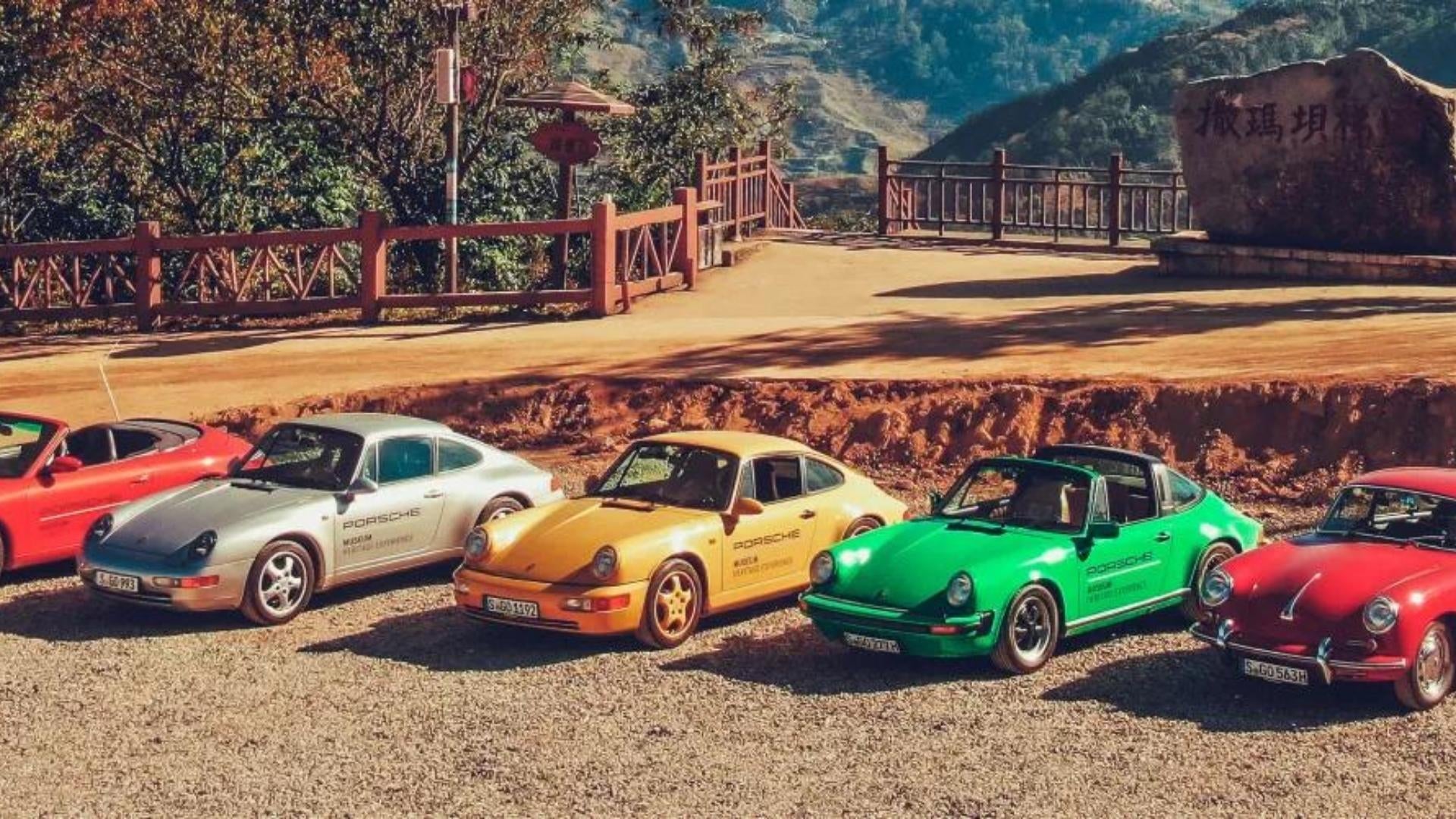
Porsche is known as the car person’s car. It’s also a favorite among celebrities. So what is the collectible Porsche when it comes to Hollywood VIPs? Lately, that would be the Porsche 993. The Porsche 993 is “practically shorthand for Real Taste in Old Cars,” according to Esquire magazine. Among the many famous people photographed driving or just standing near a Porsche 993: Kendall Jenner, Keanu Reeves, David Beckham, Heather Locklear, Harry Styles, Jerry Seinfeld, Ellen Degeneres, and Antonio Banderas. Keep in mind that all things ‘90s are still very hip among the younger set. And the 993 is oh so ‘90s. (Hence Kendall and Harry) The 993 is actually a short way of describing the 911 model produced from 1994 to 1998. (Although the model year technically started in 1995). Aside from being one of the ultimate '90s mobiles, the Porsche 993s are sought after for a number of other reasons. They have an air-cooled engine, which according to Esquire makes them a little like the automotive equivalent of vinyl records collected by audiophiles, who prefer the vintage discs to digital music. Newer Porsches, by comparison, have water-cooled engines, which are more powerful and easy to maintain but don’t have the same mechanical rawness of an air-cooled engine, according to the magazine. “To many, 993s are also the prettiest Porsches, straddling the older era and the newer era. Depending on the model and the mileage, they can be had for around $60,000,” according to Esquire. Jerry Seinfeld, for one, has collected an enormous number of Porsches over the years – a total of 47! So it’s not surprising there’s a 993 or two in his private collection. He’s known to put up 15 cars for auction all at once when he runs out of space. And trust us, there’s not one that sells in the $60,000 range. Actor and Porsche enthusiast Keanu Reeves has owned Porsches since his first black 911 Carrera 4S (yes, a 993) with a manual transmission. This car was, sadly, stolen while he was away at a movie location. He then reached out to Porsche’s customer consultation center and customized what would be his next Porsche - the 911 Carrera 4S (991). Reeves has said in interviews that his love of Porsche began at a young age when he was given Porsche Matchbox car and saw his grandmother’s boyfriend driving a 911 Targa. These days, according to Esquire, the 993 seems to imbue the younger set with a way of blending into their Los Angeles surroundings while at the same time saying “I’m interesting.” “The 993 says all it needs to say, ‘I want you to know me as a person who knows cars,’ and nothing more.’” The 993 may be the ultra-cool “it car” of the celebrity set, but it really is a beautifully built automobile. In fact, many car lovers consider it one of the most finely crafted cars of all time. If a vintage Porsche 993 is outside of your budget though, you can get a similarly great car in most any 911 built between 1978 and 1993. Ultimately, it's the way the 993 drives and handles that makes it such a popular car even decades later. Its suspension was completely overhauled from the previous-generation version, curbing the 911’s tendency for snap-oversteer, according to Motorbiscuit. Moreover, the AWD system was also upgraded, improving handling even more. Autotrader describes the clutch of the 993 as “light” and reports that the shifter-speed shifter is precise. Steering is incredible and there’s that old-school sound of that air-cooled engine. And perhaps the most glowing honor comes from Porsche itself. In 2018, to celebrate its 70th anniversary, the German automaker created “Project Gold,” which is a Porsche 993 911 Turbo S restored from an original 993 shell. There were only 345 built and Car and Driver reported that a 9000-mile example went for $395,000. Despite the fact that Project Gold was not street-legal, one sold for $3.1 million at auction. So, in other words, there’s some depth behind the 993’s current popularity. It may be hip. But it’s also a classic. Don't forget to check out our latest Porsche inventory.

Michael Schlutz - Porsche Palms Springs Technician

Meet Michael: One of Porsche Palm Springs' Gold Certified Porsche Technicians

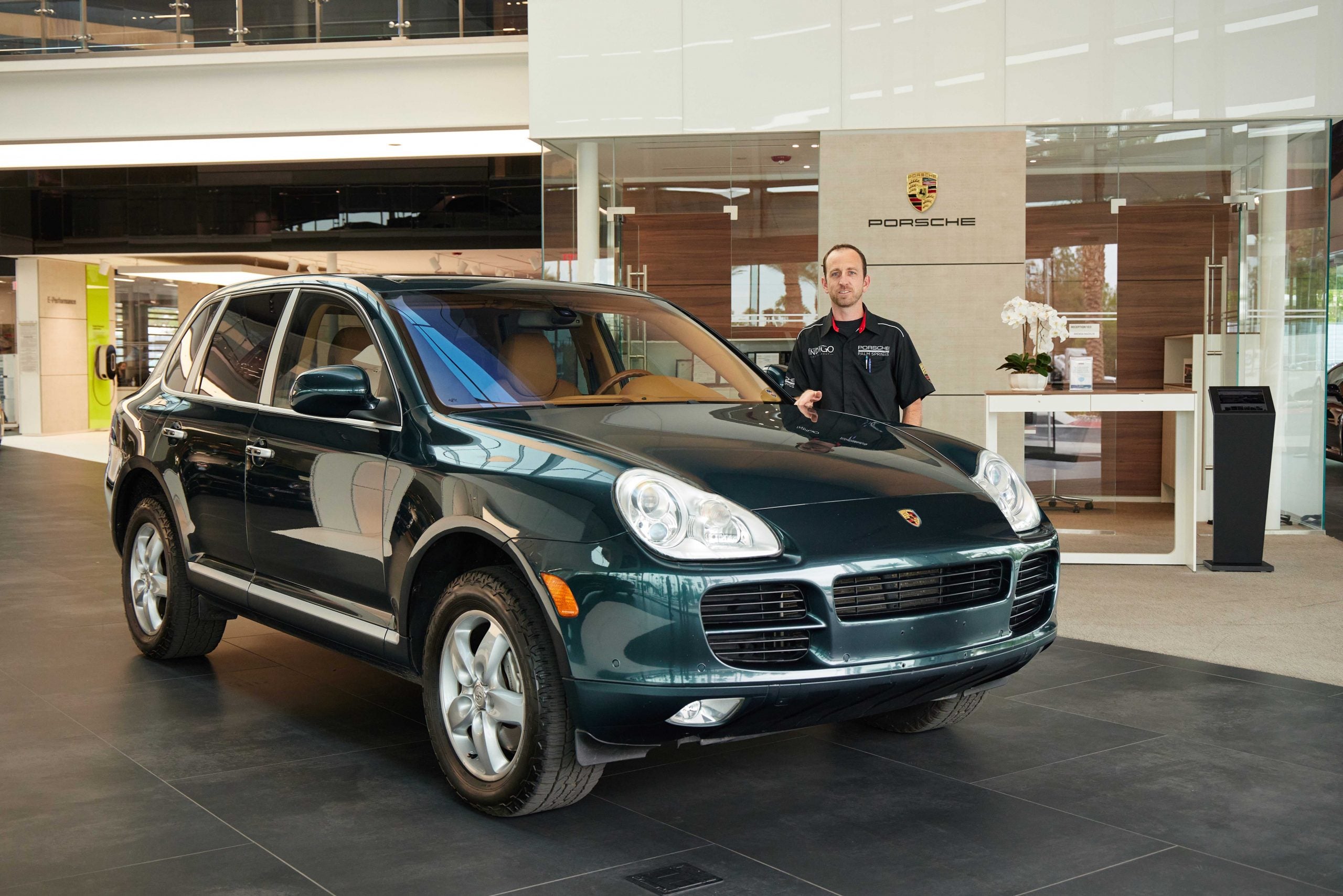
Porsche Palm Springs is home to three Gold Certified Porsche Technicians. Porsche’s worldwide Certified Porsche Technician program offers technicians regular training on brand new, late model and vintage Porsche vehicles. The technicians’ knowledge is then certified through successive levels of qualification education and testing:  Bronze, then Silver, and finally Gold. As technicians move up the various levels, they first participate in Porsche training courses and then take theory exams to ensure understanding. After achieving Bronze Certification, for instance, the technicians graduate to much more complex practical exams, working on training vehicles. These hands-on exams take several hours and simulate real world conditions. To become a Porsche Gold Certified Technician , a Porsche technician is given a certain amount of time in which to accurately diagnose and repair multiple issues in a test vehicle. This entire process can take years. We had the opportunity to sit down and talk to one of our Gold Certified Porsche Technicians, Michael Schultz, and ask him about his work at Porsche Palm Springs. Q. Tell us how you became interested in this work and ended up at Porsche Palm Springs? A. I've always had an interest in taking things apart and learning how they worked. I found an interest in the automotive field when I learned to drive and got my first car. After high school, my father suggested attending the Universal Technical Institute in Rancho Cucamonga in order to make a career in the automotive repair field. After completing automotive technology training in 2005, I was offered my first position as a lube technician at an Infiniti Dealership in Thousand Oaks, CA. I quickly moved through the ranks, and after eight years of training and testing, I became Infiniti Master Certified. With all that time in the industry I started looking for a new challenge and ladder to climb and I found that at Porsche Rancho Mirage, now known as Porsche Palm Springs - one of the finest Porsche dealers anywhere. Q. What are your professional duties at this dealership and what kind of services do you offer? A. At Porsche Palm Springs I service and maintain every modern Porsche vehicle from entry level Macans to super and hyper cars such as Carrera GT's and 918 Spyders. I have achieved Gold Level certification and enjoy expanding my knowledge of the brand. I'm more drawn to and enjoy the exclusivity of the sportier GT models and super cars. Q. What is special about working here? A. Porsche Palm Springs is a Gen 5 building, the first of its kind currently in the world. The unique design and layout provide an exceptional work experience and environment. I am one of only three Gold Level technicians here, and only one of two techs certified to service the 918 Spyder and Carrera GT. Probably the most involved and exciting job I have done at Porsche Palm Springs is replacing the rear main seal on a 918 Spyder. That job includes literally splitting the car in half to remove the engine and transmission. The level of detail and precision required is like nothing else I've ever done. Every piece of that vehicle is made of carbon fiber, so extreme care must be given to insure nothing is broken or damaged during the process. All exterior body panels were removed, including doors, to access the impressive yet delicate carbon body and framework. Special tools had to be rented from Porsche for the job, since this is so rarely done. Once the rear of the vehicle is separated from the front, then the engine and transmission can be removed from the cradle. From there the transmission with high voltage components was separated from the engine to gain access to the rear main seal. The whole job was very exciting, rewarding - and satisfying once it was all put back together and running as designed. That was definitely the highlight of my career up to that point. Q. What was it like to become Gold Level certified? A. It took me about six years to earn my Gold level certification. The process entailed eight core instructor led classes, countless hours of online training, and online and in-person testing. In 2018, I got the opportunity to travel to Atlanta to train and become certified to service 918 Spyder and Carrera GT's. I'm also hybrid certified which is a Gold Level requirement Q. How is life in the desert outside of work? A. I've worked in the Palm Springs area for six years. I live in nearby Yucca Valley. I like just about anything outdoors and enjoy the open spaces that the desert provides. Some of my interests and hobbies include hiking, off-roading and adventuring with the family. I also enjoy building and flying large scale radio-controlled aircraft. I've been married for 12 years and have 2 boys ages 3 and 7. Q. Anything else you’d like to add? A. I love that I get to come to work every day to service and maintain these amazing machines. They are very rewarding and sometimes difficult to work on. But they are like nothing else. Don't forget to schedule your Porsche service with Porsche Palm Springs today.

Contact Us

Fill out this form below and we'll contact you shortly
*Required Fields
Service